


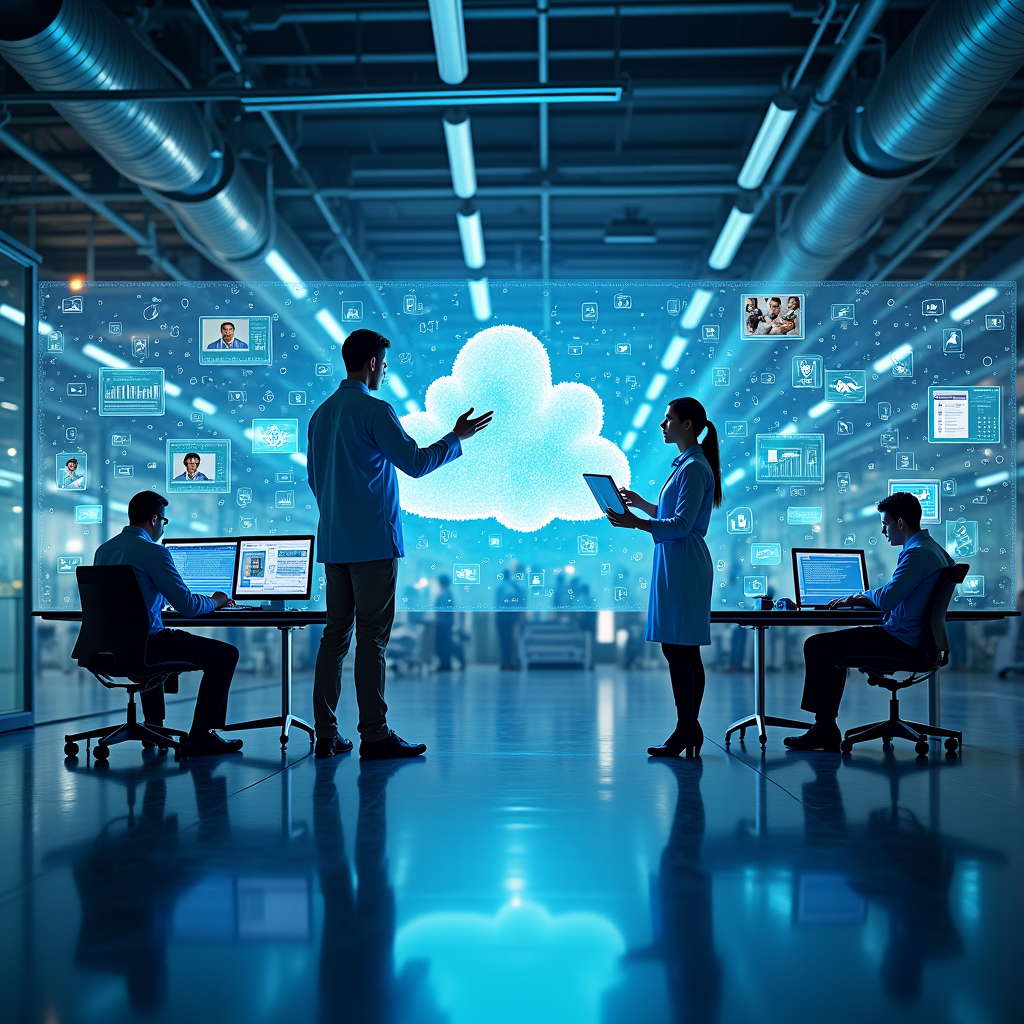
In the modern era, technology is evolving at an unprecedented rate, reshaping industries and influencing every aspect of our lives. The digital revolution has given rise to cutting-edge innovations that have redefined how businesses operate, how consumers interact with products and services, and how data is managed and analyzed. The continuous modernization of technology is not just about upgrading old systems, but about fostering new paradigms that drive efficiency, enhance productivity, and open doors to opportunities that were once thought impossible. This transformation is being fueled by trends such as cloud computing, artificial intelligence, and automation, all of which are accelerating the pace of change.
Cloud Computing and the Digital Transformation
One of the most profound advancements in modern technology is the rise of cloud computing, which has become a cornerstone of digital transformation across various industries. By shifting computing resources from traditional on-premise servers to the cloud, businesses can reduce costs, scale operations more effectively, and improve flexibility. Cloud platforms provide access to data storage, powerful processing capabilities, and software solutions that are easily accessible from anywhere in the world. This has led to the democratization of technology, enabling smaller companies to leverage enterprise-level tools without incurring significant costs.
Moreover, cloud computing has played a pivotal role in the development of data-driven businesses. With massive amounts of data generated daily, the cloud offers the infrastructure needed to store, analyze, and process this data at scale. Businesses now rely on real-time insights derived from data to make informed decisions, optimize operations, and personalize customer experiences. The integration of cloud technologies with artificial intelligence (AI) and machine learning (ML) has further empowered companies to automate processes, predict customer behavior, and innovate at a pace previously unimaginable. For example, retailers can use AI-powered analytics to optimize inventory management, predict demand, and create targeted marketing campaigns that resonate with consumers.
Artificial Intelligence and Automation: The New Workforce
Another significant aspect of modernization in technology is the rise of artificial intelligence (AI) and automation. These technologies are redefining industries such as manufacturing, logistics, and healthcare, enabling businesses to operate more efficiently while reducing human error. In manufacturing, AI-driven machines and robots are now performing repetitive tasks, from assembling products to conducting quality checks, leading to faster production times and higher quality standards. This shift has led to the creation of “smart factories,” where automation and AI work together to streamline operations and improve safety.
In healthcare, AI has transformed diagnostics, treatment planning, and patient care. AI algorithms can analyze medical images, predict disease outcomes, and recommend personalized treatment plans based on a patient’s medical history and genetic data. Furthermore, AI-powered chatbots and virtual assistants are revolutionizing customer service, providing immediate assistance to users and reducing the need for human intervention. As businesses increasingly adopt automation, there is a growing need for a workforce that can design, implement, and manage these technologies, creating new opportunities for tech professionals and engineers.
The shift towards automation is also having a profound impact on the workforce. While automation reduces the need for manual labor, it creates a demand for skilled workers in fields like robotics, data analysis, and software development. Companies are investing in upskilling their employees and adapting their business models to take advantage of automation. However, this shift also raises questions about the future of work, as some fear that automation may lead to job displacement. Nevertheless, with the right strategies, businesses and governments can ensure that workers are equipped with the skills needed to thrive in a rapidly changing digital landscape.
The Internet of Things (IoT): Connecting the World
Another key trend in the modernization of technology is the growth of the Internet of Things (IoT). IoT refers to the interconnected network of devices, sensors, and machines that communicate with each other over the internet. From smart homes to connected cars, IoT is transforming how we interact with the world around us. In industries like agriculture, IoT sensors are being used to monitor soil conditions and optimize irrigation systems, increasing crop yields and conserving water. In logistics, IoT-enabled devices are improving supply chain efficiency by providing real-time tracking and monitoring of shipments.
The potential applications of IoT are vast, ranging from smart cities to industrial automation. In smart cities, IoT technologies are being used to optimize traffic flow, monitor air quality, and improve waste management, creating more sustainable and livable environments. In healthcare, IoT devices such as wearable fitness trackers and remote monitoring tools allow doctors to track patients’ health in real time, leading to better outcomes and more personalized care. As IoT continues to evolve, businesses will have new opportunities to innovate and improve their products and services through the integration of connected devices.
The modernization of technology is driving a new era of innovation and transformation across industries. From cloud computing and artificial intelligence to the Internet of Things, businesses are leveraging these technologies to improve operations, enhance customer experiences, and create new revenue streams. As technology continues to advance, the opportunities for growth and disruption are limitless, and companies that embrace these changes will be well-positioned for success in the digital age.
