


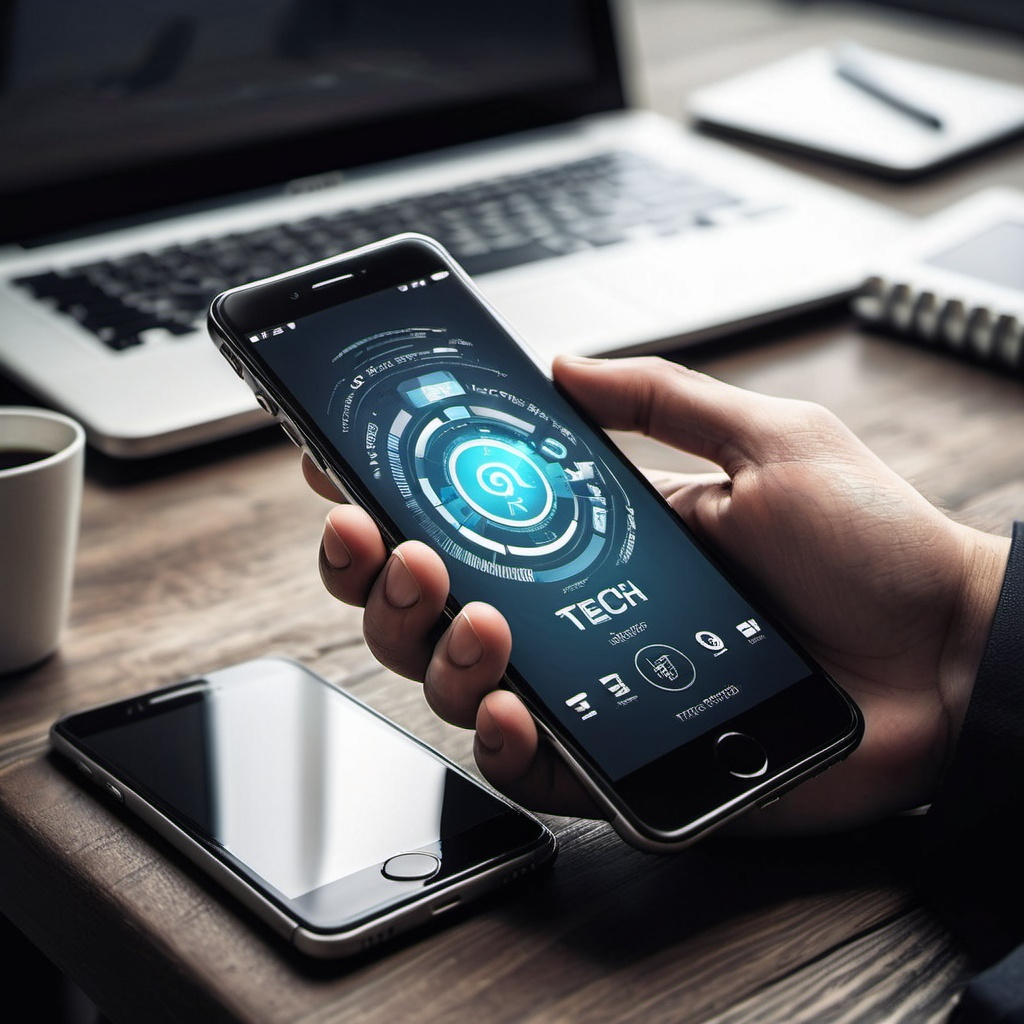
The shift towards remote work has accelerated the adoption of mobile technology, transforming how teams collaborate and stay productive. In 2024, mobile devices such as smartphones and tablets are essential tools for remote workers, enabling them to access corporate resources, participate in video conferences, and collaborate on documents from anywhere. The rise of mobile-first applications, such as Slack, Microsoft Teams, and Google Workspace, has made it easier for employees to stay connected and manage tasks on the go.
One of the significant benefits of mobile technology in remote work is increased flexibility. Employees can work from different locations without being tied to a desktop computer, enhancing work-life balance and productivity. Mobile collaboration tools also support asynchronous communication, allowing team members in different time zones to contribute to projects at their convenience. For businesses, embracing mobile technology reduces the need for physical office space, leading to cost savings and a more agile workforce.
However, mobile-enabled remote work also introduces security challenges. With employees accessing corporate networks from various locations, businesses must implement robust security policies to protect sensitive data. This includes using Virtual Private Networks (VPNs), enforcing multi-factor authentication, and employing Mobile Device Management (MDM) solutions to secure access to company resources. By combining mobile technology with a well-thought-out security strategy, organizations can successfully support remote work while safeguarding their digital assets.
