



Mobile technology has dramatically transformed our lives, revolutionizing how we communicate, work, and entertain ourselves. Smartphones, in particular, have become indispensable tools. Understanding the latest innovations, challenges, and future trends is essential as we navigate this rapidly evolving landscape.
Key Innovations in Mobile Technology
1. 5G Connectivity
The rollout of 5G networks marks a significant milestone in mobile technology. Offering faster speeds, lower latency, and higher capacity, 5G enables seamless streaming, real-time gaming, and advanced applications such as augmented reality (AR) and virtual reality (VR). This technology is set to revolutionize industries ranging from healthcare to smart cities.
2. Foldable and Flexible Displays
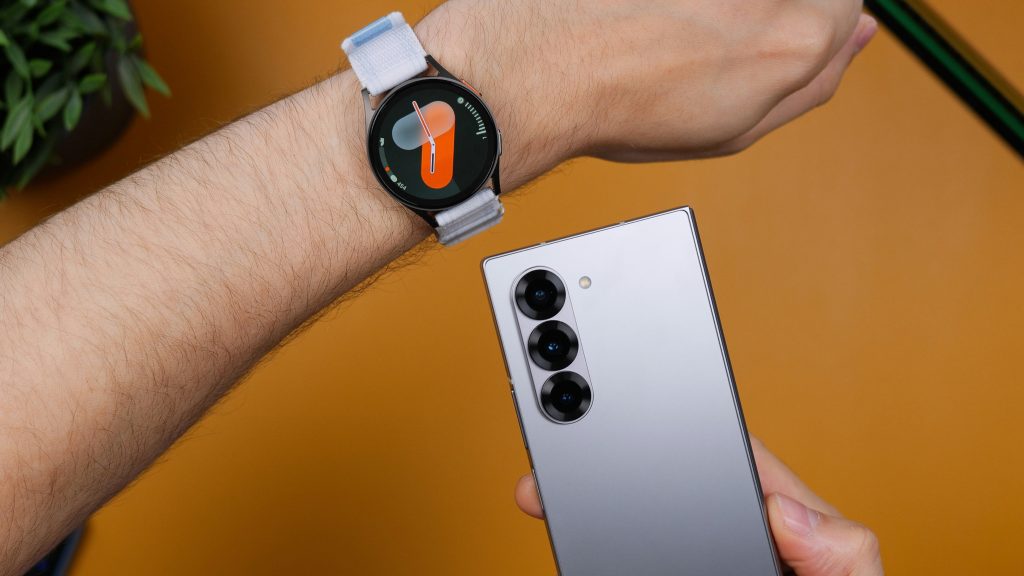
Foldable smartphones are redefining device design, offering larger screens in compact forms. Innovations in flexible display technology allow users to enjoy tablet-like experiences without sacrificing portability. These advancements enhance multitasking, productivity, and media consumption.
3. Enhanced AI Integration
Artificial intelligence (AI) is increasingly integrated into smartphones, powering features like voice assistants, camera enhancements, and personalized recommendations. AI-driven applications improve user experiences by optimizing battery life, enhancing security, and providing smarter app functionalities.
4. Advanced Biometric Security
Biometric security measures, such as fingerprint sensors and facial recognition, are becoming more sophisticated. These technologies offer enhanced security and convenience, reducing the reliance on traditional passwords and improving overall user trust.
5. Improved Battery Technology
Battery life remains a critical concern for smartphone users. Innovations in battery technology, such as faster charging, higher capacity batteries, and energy-efficient components, are addressing this issue, allowing users to stay connected longer without frequent recharging.
Challenges in Mobile Technology
1. Security and Privacy Concerns
As smartphones store increasing amounts of personal data, ensuring security and privacy is paramount. Cybersecurity threats, data breaches, and unauthorized access pose significant challenges. Manufacturers and developers must implement robust security measures to protect user information.
2. E-Waste and Environmental Impact
The rapid turnover of mobile devices contributes to electronic waste (e-waste) and environmental degradation. Sustainable practices, such as recycling programs, eco-friendly materials, and longer device lifespans, are crucial to mitigating the environmental impact of smartphone production and disposal.
3. Market Saturation and Competition
The smartphone market is highly competitive and saturated, making it challenging for manufacturers to differentiate their products. Continuous innovation, unique features, and competitive pricing are essential for companies to maintain market share and attract consumers.
4. Balancing Innovation with Cost
Introducing cutting-edge features often comes with increased production costs. Balancing innovation with affordability is a challenge, as manufacturers strive to offer advanced technology without making devices prohibitively expensive for consumers.
5. Network Infrastructure Development
While 5G promises significant benefits, its widespread adoption depends on the development of supporting network infrastructure. Ensuring comprehensive coverage, particularly in rural and underserved areas, is a critical challenge that needs to be addressed.
Future Trends in Mobile Technology
1. Augmented Reality (AR) and Virtual Reality (VR)
AR and VR technologies are set to revolutionize mobile experiences. From immersive gaming to virtual meetings and interactive education, these technologies will create new ways for users to engage with digital content and the physical world.
2. Internet of Things (IoT) Integration
Smartphones will play a central role in the IoT ecosystem, acting as hubs to control and interact with various smart devices. Enhanced connectivity and interoperability will enable seamless integration of smartphones with home automation systems, wearable devices, and smart city infrastructure.
3. AI-Driven Personalization
AI will continue to drive personalization in smartphones, tailoring user experiences based on individual preferences and behaviors. From customized app recommendations to adaptive user interfaces, AI will make smartphones more intuitive and user-centric.
4. Advancements in Camera Technology
Camera capabilities will keep advancing, with improvements in sensor technology, computational photography, and multi-lens systems. These enhancements will enable users to capture professional-quality photos and videos, further blurring the lines between smartphones and dedicated cameras.
5. Enhanced Mobile Payment Solutions
Mobile payment solutions will become more secure and widespread, offering users convenient and contactless ways to conduct transactions. Innovations such as blockchain-based security and biometric authentication will drive the adoption of mobile wallets and digital currencies.
Conclusion
The landscape of mobile technology and smartphones is dynamic and constantly evolving. Staying informed about the latest innovations, challenges, and future trends is essential for consumers and industry professionals alike. As smartphones continue to transform our lives, embracing these advancements will unlock new possibilities and drive progress in various aspects of our daily experiences.
